

Does fear increase with age?

I went to a trampoline park recently, and they had this activity where you had to jump from a height of about one storey into a cushiony pit. Now, I love things like this. Always have. I am a little scared of heights, and that too since forever, but in the interest of having fun, I usually go past it.
That day, my cousin had gone before me, and she did it. I saw her being completely fine after she jumped. Next was my turn. My back was towards the pit, and all I had to do was remove my feet from the stairs and fall.
I stayed on that step for maybe 10 to 15 minutes. Moving my feet back by an inch and then moving two inches to the front again. I was losing against this fear. I kept on trying, but I was so scared. Weird feeling in my stomach, armpits sweating, but I stayed there until I didn’t. I had to come back down.
Fear had won.
Not what I wanted but exactly what happened.
Since then, I have been noticing my fear. And I have realised that as I am growing up, I am becoming more fearful. I wanted to know if that was just happening to me or if it happens to everyone else too.
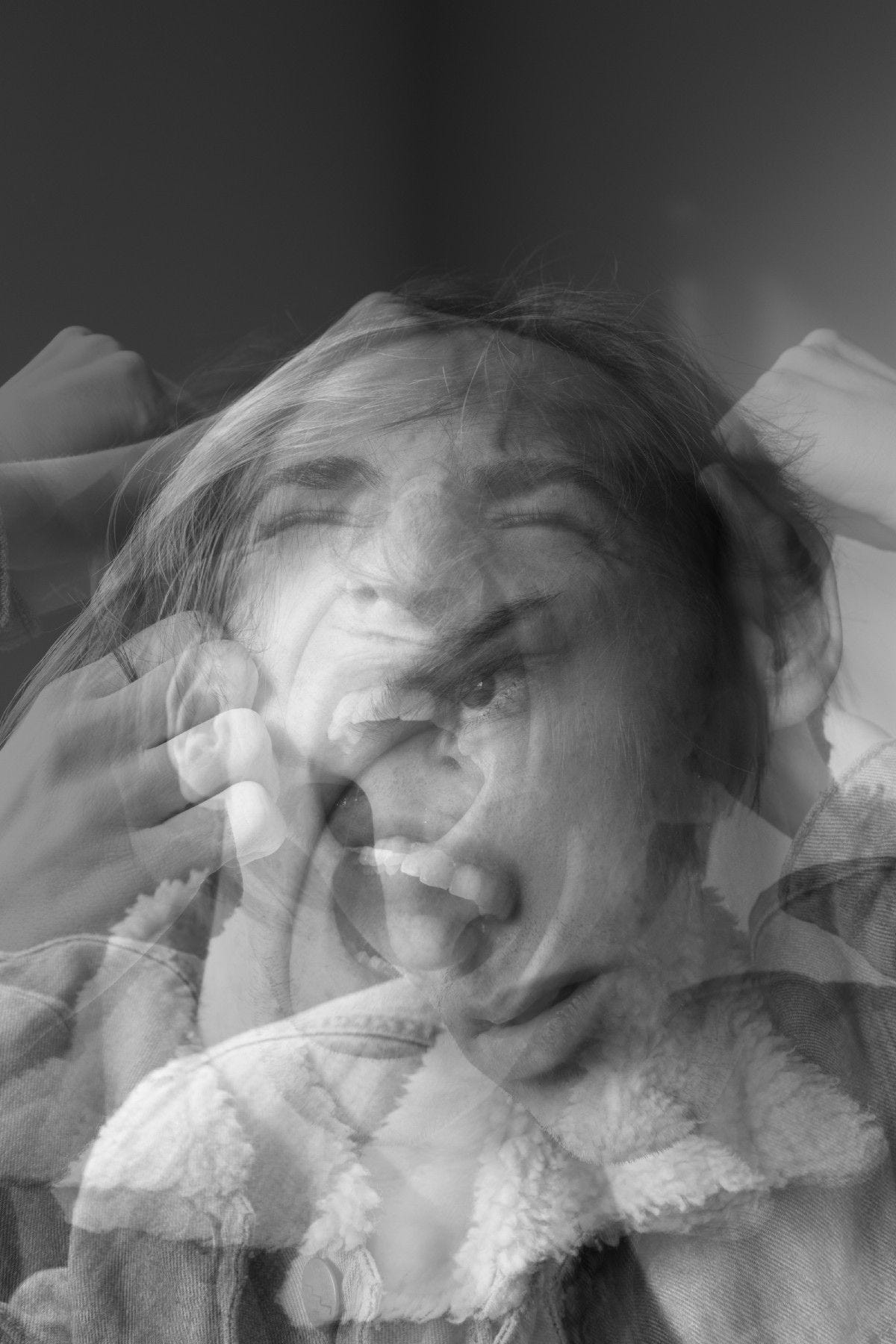
Here’s what I found out.
There are a few things to it. The first and the most important one is that fear is an integral part of our lives. It serves a very important function. It helps us stay safe and choose situations or circumstances that give us the highest chances of survival. But a lot of fear can be really bad for us too. When we are afraid, our bodies release stress hormones like cortisol, and I think everyone knows by now that chronically high cortisol levels have a pretty deteriorating impact on our health.
Coming back to growing up and experiencing more fear. In all honesty, growing older itself doesn’t necessarily make us more fearful. It depends a lot on how an individual is moving through life and the experiences they have accumulated along the way.
There are a few things that contribute to why it can feel that way, though.
As children, once we develop the capacity to imagine, we become afraid of monsters, ghosts, and hidden dangers. As we grow up, most of those fears disappear. They don’t leave because fear disappears.
They leave because fear finds something else to focus on.
As adults, those fears become much more practical. Fear of loneliness. Financial insecurity. Losing people we love. Getting sick. Failing publicly. According to research, specific phobias affect around 8% of adults in the US, so for most of us, fear isn’t centred around irrational dangers. It’s centred around possibilities that genuinely exist.
We also have something children don’t have. Experience.
As we grow older, we collect more evidence about how life can go wrong. We become much better at risk assessment because we have simply seen more. Sometimes we’ve lived through it ourselves. Other times we’ve watched it happen to people we love.
The risk feels more real because, in many cases, it is.
We also become much more aware of our own mortality. The risk feels even higher when other people depend on us. Driving a car. Going into deep water. Standing at the edge of a mountain. Things that might have felt exciting as children can suddenly feel terrifying because now we know what could happen.
For me, the reason I couldn’t jump wasn’t really the height. It was that I kept imagining myself biting my tongue on the way down, which is actually a pretty reasonable thing to think about while you’re scared and jumping backwards from a height. If I were younger, I probably wouldn’t even have known that was a possibility.
Another thing that contributes to this feeling is that fear extinction tends to take longer as we grow older. When we are children, we fall while running, cry for a bit, and then we’re back outside an hour later. As adults, the fear often stays with us much longer. After one bad experience, it can take days, weeks, or even months before we trust ourselves enough to do that thing again.
We don’t necessarily become more fearful as we grow older. We become more aware of what could happen. The fear itself hasn’t changed. What has changed is what it focuses on.
What’s something that feels scarier now than it did when you were younger? Or what’s a fear you’ve noticed growing stronger with age?
I’d love to read your experience in the comments. Sometimes seeing how differently fear shows up in other people’s lives reminds us we’re not as alone in ours as we think.
If this feels familiar, there’s likely something underneath it you haven’t seen clearly yet. That’s what I help you get to. See what is actually keeping you stuck.
At the base of all fears is the fear of death.
I feel scared of everything so much more now, the fear of losing people, being lonely, being a bad person whereas when I was younger, I was free like a bird